A Comprehensive Guide to Processing Blown Film Extrusion
Understanding Blown Film Extrusion
Blown film extrusion is a widely used process in the manufacturing of plastic films, particularly polyethylene-based products. This method involves the melting of plastic resin, which is then forced through a die to form a thin tube. The tube is subsequently inflated to create a bubble, which is cooled and flattened into a continuous film. One of the key pieces of equipment in this process is the film blowing machine, which consists of several components including the extruder, die, and cooling ring. The extruder plays a crucial role as it melts the plastic pellets and drives the polymer through the die, while the cooling ring helps in solidifying the blown film as it exits the die.
What sets blown film extrusion apart from other forms of film extrusion is its ability to produce films with a wide range of thicknesses and properties. This versatility allows manufacturers to tailor the film to meet specific application requirements, such as strength, clarity, and barrier properties. The unique design of the film blowing machine enables the production of tubular films, which can be easily converted into various plastic bag formats, including grocery bags, trash bags, and packaging materials. Moreover, the air introduced during the blowing process allows for an even distribution of properties across the film, making it suitable for different types of packaging applications in diverse industries.
Blown film extrusion is particularly favored for its efficiency and the high quality of the film produced. The process is generally faster than other extrusion methods, reducing production time and costs. Additionally, advancements in technology have improved the performance of blown film machines, allowing for better control over the film’s physical characteristics. Overall, blown film extrusion remains an essential process in plastic manufacturing, providing a key solution for the growing demand for polyethylene films in various sectors.
Key Variables in Blown Film Extrusion
The blown film extrusion process is complex, influenced by various key variables that play a crucial role in determining the quality and performance of the final plastic film product, such as polyethylene. Understanding these factors is essential for optimizing the efficiency of production and ensuring a satisfactory outcome for applications, including plastic bags and other packaging materials.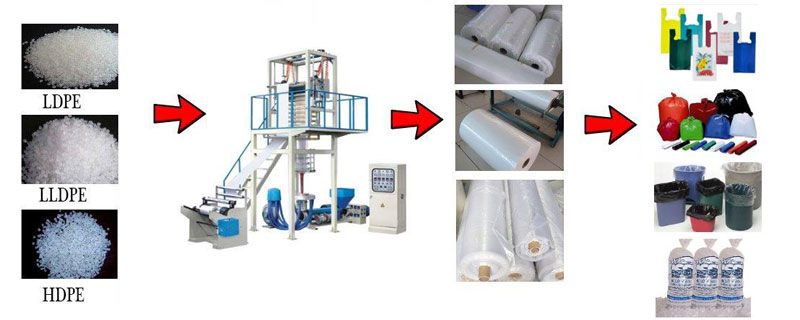
One of the primary variables is temperature control during the extrusion process. The temperature affects the viscosity of the molten polymer, influencing how well the material can flow through the film blowing machine. An optimal temperature must be maintained to achieve a uniform thickness and good clarity in the plastic film. Deviations can lead to issues such as uneven film thickness or reduced mechanical properties, impacting the overall film quality.
Extruder speed is another pivotal factor in the blown film extrusion process. A higher extruder speed can accelerate production but may cause challenges in achieving the desired film properties. Conversely, lower speeds could enhance the quality of the film product but may also result in reduced output. Therefore, a balance must be struck to maximize efficiency while ensuring that the final product meets stringent quality standards.
The die gap, or the distance between the die lips where the plastic is extruded, also significantly influences the outcome of the film blowing process. A correctly set die gap is essential to produce films of uniform thickness, which is vital for applications where even mechanical strength and barrier properties are necessary.
Cooling rate is critical as it determines how quickly the extruded film solidifies. This process affects the molecular orientation and crystallinity of the polyethylene, directly influencing the clarity and strength of the final product. Proper cooling facilitates the formation of a strong, uniform film that can be used effectively in various applications.
Lastly, material selection impacts the characteristics of the blown film. Different types of polyethylene may yield varying results in terms of thickness, strength, and clarity. Evaluating material options based on the specific requirements of the desired application is therefore essential in optimizing the blown film extrusion process.
Common Challenges and Solutions in the Process
The process of blown film extrusion, while effective for producing high-quality plastic films, is not without its challenges. Among the most prevalent issues faced by operators are bubble instability, uneven film thickness, and material degradation. Understanding the root causes of these problems and implementing appropriate solutions is essential to ensure a smooth operation and high-quality outputs from the film blowing machine.
Bubble instability is a prominent challenge in blown film extrusion that can lead to defects in plastic bags and other products. This instability is often caused by inconsistent cooling rates, fluctuations in extrusion speed, or variations in polymer viscosity. To mitigate this issue, it is crucial to maintain a stable melt temperature, optimize the cooling air flow, and ensure that the die gap is uniform. Monitoring and adjusting these parameters can help stabilize the bubble and result in a more uniform plastic film.
Uneven film thickness can also pose significant challenges in production. This issue often arises due to non-uniform die thickness or irregularities in the melt flow rate. To overcome this problem, manufacturers should regularly calibrate their film blowing machines and utilize advanced die designs that promote even material distribution. Additionally, employing real-time thickness measurement technology can provide valuable data that guides immediate adjustments, leading to improved consistency in the final product.
Finally, material degradation can compromise the integrity of the polyethylene used in the blown film extrusion process. High temperatures and prolonged residence times in the extruder may lead to thermal degradation. To combat this, it is vital to monitor processing temperatures and minimize residence time. Utilizing high-quality resin with good thermal stability and ensuring proper maintenance of the extrusion equipment can also reduce the likelihood of material degradation.
By proactively addressing these common challenges in blown film extrusion, operators can enhance the production process and achieve higher-quality plastic films, which are crucial for various applications.
Future Trends in Blown Film Extrusion Technology
The blown film extrusion process has witnessed significant advancements in recent years, showcasing a continuous evolution toward greater efficiency and sustainability. With increasing global concern for environmental issues, one of the most prominent trends is the use of sustainable materials in manufacturing plastic film. Companies are exploring bio-based polymers and recycled polyethylene to reduce their ecological footprint. This shift not only aligns with regulatory requirements but also meets the rising demand for eco-friendly plastic bags and packaging solutions from consumers.
Automation plays a critical role in enhancing the blown film extrusion process. The integration of advanced technologies, such as Industry 4.0 solutions, enables manufacturers to improve production efficiency. Automated controls and monitoring systems allow for real-time adjustments in the extrusion process, thus enhancing the quality of the plastic film produced. Moreover, this increased automation helps in minimizing human errors and reducing operational costs, making it an attractive prospect for new and existing manufacturers of film blowing machines.
Energy efficiency is another key trend shaping the future of blown film extrusion technology. The adoption of energy-saving technologies and practices within the extrusion process not only lowers energy consumption but also boosts the bottom line for manufacturers. Innovations in machine design and the introduction of smarter equipment that optimizes energy use during production are becoming essential for companies aiming to remain competitive in a crowded marketplace.
Lastly, ongoing developments in film properties, such as enhanced barrier features and improved mechanical strength, are increasingly critical. Manufacturers are innovating formulations to create polyethylene producing multi-layer films that offer superior performance. These advances contribute to the versatility of plastic films in various applications, ensuring that they meet specific market demands. As blown film extrusion continues to advance, it is essential for industry players to stay abreast of these trends to leverage emerging technologies effectively.